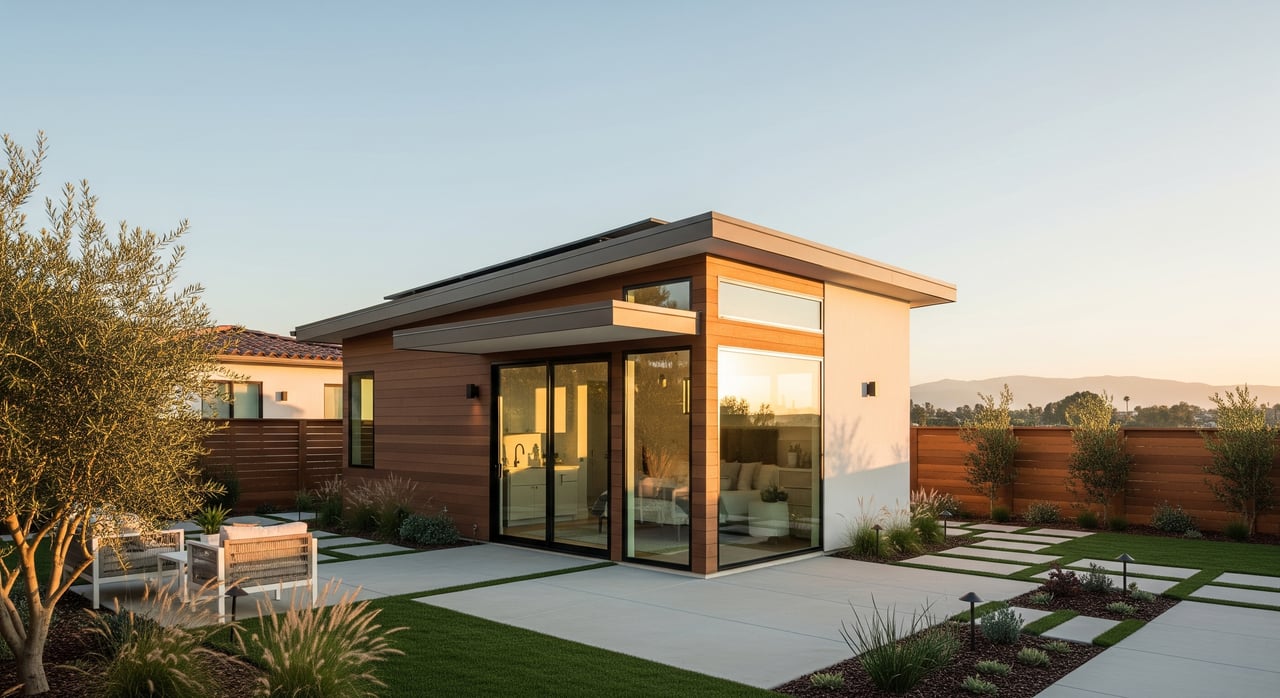
Thinking about adding a backyard home or converting your garage in Irvine? You’re not alone. Many homeowners explore accessory dwelling units to create rental income, support multigenerational living, or boost resale value. In this guide, you’ll learn the essentials on rules, costs, timelines, financing, and ROI so you can plan with confidence. Let’s dive in.
What counts as an ADU
An accessory dwelling unit is a self-contained home on the same lot as your main house. Common types include detached backyard units, attached additions, and garage conversions. You can also create a Junior ADU (JADU) inside your main home; a JADU is up to 500 square feet and shares some systems.
Each type has different space, utility, and plan requirements. Start by deciding how you will use the unit, then match the design to your goals and your lot.
State and Irvine rules
California has streamlined ADU approvals with ministerial processes and objective standards. That makes permits more predictable across the state. Cities still apply local rules on setbacks, height, parking, and design. In Irvine, you must meet both state law and the Irvine Municipal Code.
Because policies evolve, verify current standards with the City of Irvine Planning and Building teams. A short pre-application check can save weeks later.
Eligibility and unit count
Most single-family parcels in Irvine may be eligible for an ADU, though exceptions exist in special planning areas, overlays, and historic zones. Homeowner associations can also limit or shape what is allowed, so review your CC&Rs early.
Many lots can support one ADU and sometimes a JADU in addition, depending on local caps. Multifamily sites may add units or convert spaces under state and local rules. Always confirm the allowed count for your specific parcel.
Size, setbacks, and parking
Size depends on type and local standards. A JADU is capped at 500 square feet. Attached or detached ADUs commonly range up to 800 to 1,200 square feet in many California cities, but Irvine’s specific maximums should be checked in the local code.
Expect objective rules for height, lot coverage, and separations from the main house. California limits local parking requirements in many cases, such as conversions or sites near transit. Ask Irvine staff whether you need an extra stall and if tandem or converted garage spaces count.
Utilities, fees, and permits
Every ADU needs water, sewer, and electric connections. Utility capacity checks are typical and connection or impact fees may apply. Plan for building permits, plan check, and inspections during construction.
Ministerial ADU reviews are designed to move faster than discretionary projects. A complete submittal can see plan check turnarounds targeted in about 60 to 90 days, though timelines vary with revisions and workload. Construction can take several months, and the total project often spans 6 to 12 months from planning through final inspection.
ADU costs in Orange County
Total costs vary widely by type, size, and site conditions:
- Garage conversion: often in the lower range, from tens of thousands into the low six figures depending on scope.
- Attached or detached ADU: commonly about $150,000 to $400,000 or more, depending on size, finishes, and site work.
- Per-square-foot: many California metro projects fall roughly between $200 and $500+ per square foot, with simple conversions lower and complex or luxury builds higher.
Your budget should include hard construction costs, site and utility work, and soft costs like design, engineering, permits, and fees. Add a 10 to 20 percent contingency for unknowns and price changes.
Cost drivers to watch
- Lot specifics: slopes, distance to utilities, tree protection, and access for equipment.
- Utility upgrades: new meters or panel upgrades often add cost.
- Existing conditions: demolition, structural reinforcement, or seismic work in older garages.
- Neighborhood standards: some HOAs expect higher-end finishes and more design review.
- Market timing: labor availability and material prices affect bids and schedules.
Financing options
You have several ways to fund an ADU. Each has tradeoffs, so compare rates, fees, and timelines:
- Cash: simple and fast, but ties up capital.
- HELOC or home equity loan: popular for moderate scopes; terms depend on credit and existing mortgage.
- Cash-out refinance: replaces your mortgage with a larger loan; useful when rates are favorable.
- Construction or construction-to-perm loan: suited for larger detached builds with draw schedules.
- Government programs or incentives: availability changes over time; check for local fee deferrals or assistance.
- Specialized private lenders: compare structures, including interest-only periods and repayment terms.
Rental strategy and ROI
Your return depends on rent, operating costs, financing, and vacancy. Irvine-area rents are typically higher than national averages, but vary by neighborhood, size, and finishes. Long-term leases offer steadier cash flow. Track utilities, maintenance, insurance, and property taxes when you model net income.
Useful metrics include gross rent multiplier, net operating income, and cap rate. Payback period can help you gauge how long until cash flows recover your investment. For taxes, rental income is taxable and you may deduct operating expenses, depreciation, and interest. Consult a tax professional for specifics.
Short-term rentals are regulated separately and can require registration, business licensing, and transient occupancy taxes. Confirm Irvine’s short-term rental rules before pursuing that strategy.
Three Irvine ADU scenarios
- Garage conversion studio: You convert a two-car garage into a compact studio. Costs are lower than a new build, timelines are shorter, and parking rules matter. Expect utility and insulation work to meet code.
- Detached one-bedroom: A backyard 1-bed, 1-bath unit with a small kitchen and living space. This typically requires site work, a new foundation, and utility runs. It can command stronger rents and add resale appeal.
- JADU within the home: You reconfigure existing space for a 300 to 500 square foot JADU. This is efficient on cost and can work well for extended family or a modest rental. It shares systems with the main residence.
Step-by-step checklist
- Confirm eligibility: verify zoning, overlays, and any historic or conservation constraints with the City of Irvine.
- Review HOA/CC&Rs: understand design review and any private restrictions early.
- Schedule a pre-application: meet with planning and building to confirm triggers like geotech, sewer, or grading needs.
- Line up your team: consult a designer or architect and request itemized bids from ADU-experienced contractors.
- Prepare submittals: site plan, architectural drawings, utility plans, and required forms and fees.
- Permit and build: respond to plan check comments, schedule inspections, and track change orders.
- Finalize and lease: pass final inspection, confirm local rental or short-term rules, and set your marketing plan.
Common pitfalls to avoid
- Relying on state summaries and missing current Irvine code updates.
- Underestimating utility connection or upgrade costs.
- Overlooking HOA design rules and approvals.
- Skipping permits, which risks fines and reduced resale value.
- Forgetting a contingency for unknown site conditions and price swings.
How we help
If you are weighing an ADU to improve lifestyle, rental income, or future resale, you want clear answers and a plan. Our team can help you estimate value impacts with local comps, gauge rental demand, and position your property for buyers who value permitted ADUs. We provide coordinated listing prep, premium marketing, and multilingual outreach to maximize exposure when you sell. We also support rentals and property management needs and can connect you with local architects and contractors experienced in Irvine.
Ready to map your options and ROI with a local team that knows Irvine neighborhoods? Contact the Irene and Ricky Zhang Real Estate Group for a personalized plan.
FAQs
Can I build an ADU on my Irvine lot?
- Most single-family lots may qualify, but you should confirm zoning, setbacks, overlays, and HOA rules with the City of Irvine before you begin.
How big can my ADU be in Irvine?
- Size depends on type and local standards; a JADU is up to 500 square feet, while attached or detached ADUs commonly range higher, subject to Irvine’s numeric caps.
Do I need to live on-site to add an ADU?
- Owner-occupancy rules have changed under state law and may vary; confirm the current requirement in Irvine’s municipal code.
How much does an ADU cost in Orange County?
- Conversions are often lowest cost, while detached builds commonly range from about $150,000 to $400,000+; always budget soft costs, fees, and a contingency.
How long does permitting and construction take?
- Ministerial plan checks can target 60 to 90 days for a complete submittal, with total project timelines often 6 to 12 months including construction.
Can I use my ADU for short-term rentals?
- Short-term rentals are regulated separately; check Irvine’s rules, registration, and tax requirements before planning an STR strategy.
Will an ADU raise my property value and taxes?
- Many buyers value usable, permitted space, which can support resale, and improvements can affect assessments; consult the assessor and a tax professional for specifics.
