Wondering if a rental in Irvine actually pencils? You’re not alone. High prices and steady demand make Orange County attractive, but thin margins mean one assumption can flip cash flow from positive to negative. In this guide, you’ll learn a simple, repeatable way to underwrite any Irvine rental using local rules of the road, clear formulas, and scenario testing you can trust. Let’s dive in.
Irvine at a glance: demand and supply
What drives renter demand
Irvine benefits from large, stable employers and institutions. UC Irvine, regional healthcare systems, technology and life sciences firms, and professional services support a steady flow of students, young professionals, and relocating employees. Household incomes and educational attainment in many Orange County submarkets run higher than state averages, which helps support higher rent levels.
Supply and product mix
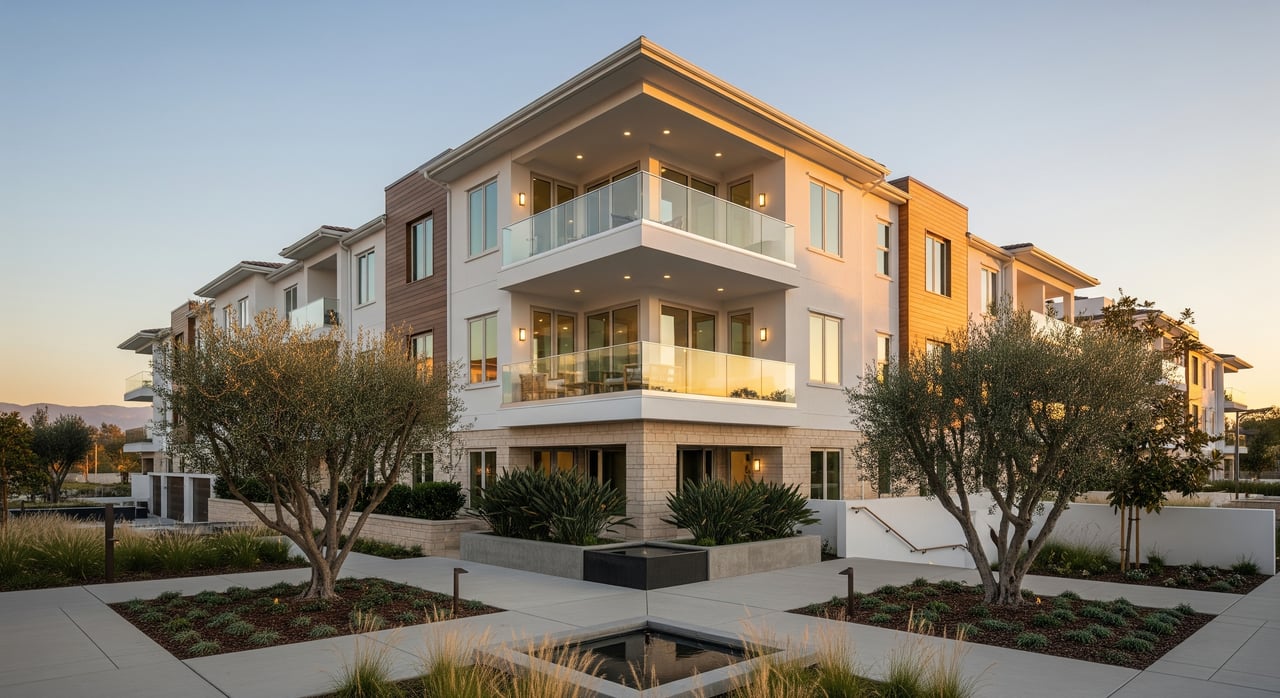
Irvine is a master-planned city with many ownership communities and HOAs. You’ll find single-family homes, condos, and institutional multifamily. New apartments delivered in Irvine and nearby cities can temper rent growth for older properties, so check the pipeline when you price rent.
Market tone: low cap rates, rate sensitivity
Southern California often trades at lower cap rates than many U.S. markets. In Orange County, the gap between purchase price and achievable rent is tight, so returns are very sensitive to interest rate swings. Plan to test base, downside, and upside scenarios instead of relying on a single cap rate.
The step-by-step underwriting framework
1) Screen the market
Before you look at a property, gather:
- Current asking rents by unit type in Irvine and nearby submarkets.
- Recent rent growth over the last 12 to 24 months.
- Vacancy or occupancy trends and any new-unit deliveries.
- Major employer health and employment trends.
- Local rent rules that could cap increases or limit strategy.
Use consistent apples-to-apples comparisons by unit type, location, and property age. Adjacent cities in the Anaheim–Santa Ana–Irvine area can have very different rent levels and regulations, so avoid mixing incomparable comps.
2) Collect property-level inputs
For each property, write down:
- Purchase price, estimated closing costs, and any upfront repairs.
- Market rent and any other income (parking, pet fees).
- Vacancy and credit loss allowance. A 3 to 8 percent range is common in a healthy market, with product type and seasonality in mind.
- Operating expenses: property tax, insurance, utilities you pay, repairs and maintenance, management fees, and HOA dues if applicable.
- Capital expenditures: annual reserve for big items like roofs, HVAC, and exterior painting. A 1 to 3 percent of property value guideline can work for single-family homes. Condos can be lower for unit-level expenses because HOAs often handle exterior elements.
Local notes to budget correctly:
- Property tax in Orange County typically runs around 1 percent of assessed value plus local assessments, and the assessment generally resets when you buy.
- Insurance costs in Southern California can be higher, and optional earthquake coverage adds cost. Availability and pricing vary by location and property type.
- HOA fees are common for Irvine condos and townhomes. They can be significant and often include rules that affect rental strategy, like minimum lease terms or short-term rental bans.
3) Lock in your financing terms
Because Irvine pricing is high relative to rent, financing can make or break cash flow. Capture these details:
- Down payment percentage and total cash invested.
- Interest rate, amortization term, and any points or loan fees.
- Estimated closing costs and prepaids.
Stress test interest rates up by 1 to 2 percentage points to see how debt service coverage and cash flow move.
4) Run the math
Use simple steps and stick to consistent inputs:
- Effective Gross Income (EGI) = Gross Scheduled Rent + Other Income − Vacancy and Credit Loss.
- Net Operating Income (NOI) = EGI − Operating Expenses (exclude mortgage payments).
- Cap Rate = NOI / Purchase Price.
- Gross Rent Multiplier (GRM) = Purchase Price / Gross Scheduled Annual Rent.
- Debt Service = Monthly Mortgage Payment × 12.
- Cash Flow Before Tax = NOI − Debt Service.
- Cash-on-Cash Return = Cash Flow Before Tax / Total Cash Invested.
- Break-even Occupancy = (Operating Expenses + Debt Service) / Gross Income.
Practical targets in Orange County:
- Expect lower cap rates on stabilized assets, especially Class A or newer properties.
- Many long-term landlords target 6 to 10 percent cash-on-cash, but in high-cost markets some accept lower current yield in exchange for long-term appreciation potential. This increases risk, so model carefully.
- Always run a downside case where rent falls by 10 percent or rates rise by 1 to 2 percentage points.
5) Check regulations and risk
- AB 1482 statewide protections limit annual rent increases for many units, often to 5 percent plus CPI with a 10 percent cap. Some homes are exempt, like certain newer buildings and some single-family homes or condos when owned by a non-corporate owner. Confirm your property’s status before projecting rent growth.
- Irvine does not have broad citywide rent control. Short-term rental rules vary by city and HOA, and many HOAs restrict or prohibit short-term rentals. Confirm municipal code and HOA CC&Rs before assuming short-term income.
- Landlord-tenant rules and timelines affect your vacancy assumptions, legal costs, and lease-up schedule.
- Zoning and permitting matter for ADUs or major remodels. Budget time and cost.
- Natural hazards like earthquakes affect insurance options and premiums.
6) Plan your exit and taxes
- Property taxes generally reset to the purchase price, so a resale or exchange changes the tax bill for the next owner.
- Rental income is taxable. Many owners offset income with depreciation, mortgage interest, and operating expenses. Taxes apply on sale, including potential depreciation recapture.
- A 1031 exchange can defer gains, but it requires strict timelines and professional guidance.
- Many investors in California plan for longer hold periods to capture appreciation. Make the hold period explicit in your internal rate of return assumptions.
Example: does this Irvine condo pencil?
Below is a simple example to show the math. Numbers are illustrative so you can follow the framework.
Assume a 2-bedroom Irvine condo:
- Purchase price: 800,000
- Market rent: 3,500 per month
- Vacancy and credit loss: 5 percent
- Other income: 0
- HOA dues: 400 per month
- Property tax: 1.05 percent of price
- Insurance: 1,200 per year
- Repairs and maintenance: 1,800 per year
- Capital reserve: 1,200 per year
- Professional management: 8 percent of collected rent
- Financing: 25 percent down, 30-year amortization, 7.0 percent interest
Now calculate step by step:
- Gross Scheduled Rent: 3,500 × 12 = 42,000
- Vacancy and Credit Loss (5 percent): 2,100
- Effective Gross Income (EGI): 42,000 − 2,100 = 39,900
Operating expenses:
Property tax: 800,000 × 1.05 percent = 8,400
Insurance: 1,200
HOA: 400 × 12 = 4,800
Management: 8 percent of EGI = 3,192
Repairs and maintenance: 1,800
Capital reserve: 1,200
Total Operating Expenses: 20,592
NOI: 39,900 − 20,592 = 19,308
Cap Rate: 19,308 ÷ 800,000 = 2.4 percent
Financing and cash flow:
- Loan amount: 600,000
- Estimated monthly payment at 7.0 percent for 30 years: about 3,992
- Annual Debt Service: 3,992 × 12 = 47,904
- Cash Flow Before Tax: 19,308 − 47,904 = −28,596
What this means: At these assumptions, this example is cash flow negative with financing. That is common in high-cost Orange County when leverage is used. It does not mean the deal is impossible, but you must adjust strategy or assumptions to make it pencil.
Sensitivity test the same property
Base case (above):
- NOI: 19,308
- DSCR (NOI ÷ Debt Service): 0.40
- Cash Flow Before Tax: −28,596
Downside case (rent drops 10 percent, to 3,150 per month):
- Gross Scheduled Rent: 37,800
- Vacancy (5 percent): 1,890
- EGI: 35,910
- Management (8 percent of EGI): 2,873
- Other operating expenses unchanged for simplicity: 17,400 (tax, HOA, insurance, repairs, reserves)
- Total Operating Expenses: 20,273
- NOI: 35,910 − 20,273 = 15,637
- Cash Flow Before Tax: 15,637 − 47,904 = −32,267
Upside case (rent rises to 4,000 per month, vacancy 3 percent, management 6 percent, interest rate drops to 6.0 percent):
- Gross Scheduled Rent: 48,000
- Vacancy (3 percent): 1,440
- EGI: 46,560
- Management (6 percent of EGI): 2,793
- Other operating expenses unchanged for simplicity: 17,400
- Total Operating Expenses: 20,193
- NOI: 46,560 − 20,193 = 26,367
- New Debt Service (600,000 at 6.0 percent, 30 years): about 43,176
- Cash Flow Before Tax: 26,367 − 43,176 = −16,809
Takeaway: Even with stronger rent and a lower rate, this example still runs negative with 25 percent down. To make it pencil, consider one or more of the following levers:
- Increase down payment or use all cash to reduce or remove debt service.
- Target units with lower HOA dues or include additional income sources allowed by the HOA, such as parking fees.
- Compare similar product types in nearby Orange County submarkets with better rent-to-price ratios, while keeping regulations in mind.
- Extend hold period and focus on total return, not just current cash flow, and accept that risk rises when relying on appreciation.
The point is not to chase one perfect cap rate. It is to build a simple model, test realistic scenarios, and decide whether the risk and return fit your goals.
Rules and costs many investors miss
- AB 1482 rent limits: If your property is covered, build your rent-growth assumptions around 5 percent plus CPI with a cap, not unlimited increases. Confirm exemptions on a case-by-case basis.
- HOA restrictions: Many Irvine communities limit rental strategies through minimum lease terms or bans on short-term rentals. Always review CC&Rs before you assume any rent strategy.
- Insurance availability and cost: Coastal and earthquake exposure can raise premiums or affect coverage. Get quotes early because they change underwriting outcomes.
- Vacancy realities: Even in healthy markets, budget 3 to 8 percent vacancy for long-term rentals, and more for certain unit types or during lease-up.
- Property tax reset: In California, assessed value typically resets to your purchase price. That affects cash flow after closing and again on resale.
Your Irvine underwriting checklist
Market-level:
- Current average rents by unit type and neighborhood.
- Recent rent growth and any large new apartment deliveries.
- Vacancy and occupancy trends.
- Local employment trends and major employer health.
- Rent-increase limits and local rental ordinances.
Property-level:
- Purchase price, closing costs, and comps.
- In-place rent and current market rent comps.
- Property tax rate and last tax bill.
- HOA dues and rental restrictions.
- Age and condition, immediate repairs, and 5-year capital plan.
- Insurance estimates, including earthquake options.
- Utility responsibilities and meter setup.
Financing and returns:
- Loan terms, down payment, and lender fees.
- Estimated NOI, debt service, cash flow, cap rate, and cash-on-cash.
- Sensitivity analysis for rent drops and rate increases.
Legal and exit:
- Recorded restrictions that affect rental or resale.
- Hold period, sale costs, and appreciation assumptions.
- Tax planning needs, including whether a 1031 exchange could apply.
How to replicate this with live data
- Pull recent asking rents for the same unit type in the same Irvine village and in comparable nearby cities.
- Chart 12-month price trends for your property type to sanity check your offer price.
- Look up the current tax bill and the tax rate for the parcel so you can model the post-purchase assessment.
- Read the HOA CC&Rs for rental and lease-term rules before you finalize your strategy.
- Confirm whether AB 1482 applies to your unit and align rent-growth assumptions accordingly.
When you want an experienced local team to pressure test your numbers, coordinate property management support, and share neighborhood-level rent insights, connect with the bilingual experts at Irene and Ricky Zhang Real Estate Group. We will help you build a clear, data-backed plan and decide whether an Irvine rental truly pencils for you.
FAQs
How do I know if an Irvine rental will cash flow?
- Build a simple pro forma using market rent, a vacancy allowance, full operating expenses, and your exact loan terms, then test a downside case with lower rent and a higher interest rate.
What vacancy rate should I use for Irvine?
- A 3 to 8 percent range is common for stabilized long-term rentals, but adjust for product type, lease-up timing, and seasonality in your specific neighborhood.
Does AB 1482 limit my rent increases in Irvine?
- Many units are covered by AB 1482, which limits annual increases and adds just-cause rules. Some homes are exempt. Verify your property’s status before modeling rent growth.
Are condos or single-family homes better as rentals in Irvine?
- Condos often have lower unit-level capex but add HOA dues and stricter rental rules. Single-family homes can achieve higher gross rent but may face higher maintenance and longer vacancy.
Can I use short-term rentals to boost income?
- Many Irvine HOAs restrict or prohibit short-term rentals, and city rules vary across Orange County. Confirm both municipal code and HOA CC&Rs before assuming STR income.
How sensitive are Irvine deals to interest rates?
- Very. Because cap rates are low, a 1 to 2 percentage point rate increase can push DSCR below lender minimums and turn positive cash flow negative. Always run rate shocks in your model.
