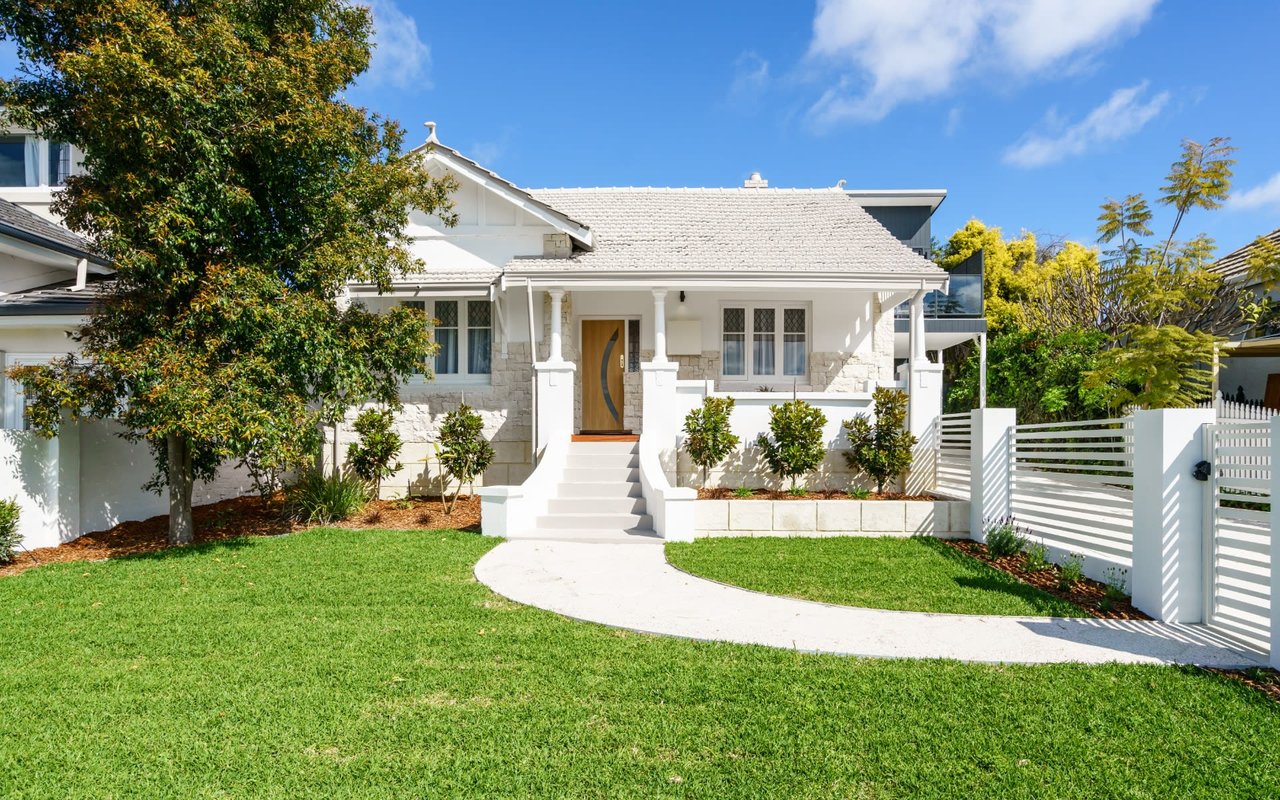
What Should I Do if My Irvine Home Isn't Selling?
If your Irvine home has been on the market more than 21 days without an accepted offer, the market is giving you clear feedback — and a price cut alone rarely fixes it. In May 2026, 67.63% of Irvine listings required a price reduction, yet many of those homes still sat. The problem is almost always one of four things: pricing, presentation, marketing reach, or showing access. Diagnosing which one before you act is what separates sellers who close from sellers who keep reducing and still don't move.
By Irene and Ricky Zhang | July 15, 2026
A well-priced, well-presented luxury home in Irvine should generate serious buyer interest in the first 14–21 days. Not necessarily an offer in hand — but showings, feedback, and real engagement from buyers and their agents.
If you're past that window and the silence is louder than the activity, you're not alone. The Irvine market shifted significantly in the first half of 2026. With 656 active listings and only 21.97% of homes selling above list price — down from 31.67% the prior year — buyers have options they didn't have in 2022 or 2023. They'll wait out an overpriced or underprepared home rather than stretch for it.
That's not a reason to panic. It's a reason to diagnose accurately and act decisively.
The Four-Part Diagnosis
Sellers who've been on market 30+ days without an offer almost always have an issue in one of these four areas. The mistake most sellers make is treating a price reduction as a cure-all when the actual problem is something else entirely.
1. Pricing
The most common issue — and the one that's easiest to confuse with other problems.
Luxury buyers in Irvine are informed. They've seen the comps. They know what $2.8 million actually buys in Orchard Hills versus Turtle Ridge versus Woodbury. If your price is anchored to what your neighbor sold for 18 months ago, or to what you need to net, rather than what buyers are paying right now, the listing will sit.
The fix isn't guessing. It's pulling a fresh CMA using only the last 60–90 days of closed sales — not active listings, not pending, not what's been sitting on the market. What did buyers actually pay? That's your market. Understanding how to price your home right when selling in Irvine, CA is step one, and if that conversation didn't happen with data this specific before you listed, it needs to happen now.
2. Presentation
At the $2M–$5M price point, professional photography is the minimum — not the differentiator. If your listing photos are well-done and your home is still sitting, the question shifts to physical condition and first impression.
Buyers at this level notice everything. Deferred maintenance, dated fixtures, heavy personalization, or staging that doesn't match the price point all create the same subconscious reaction: this home is priced too high for what it is. The showing feedback will often tell you — listen for phrases like "not quite what we expected" or "needs updating." That's code for a presentation gap.
If the home wasn't staged, touched up, or professionally prepared before listing, that work needs to happen now. A $10,000 investment in staging and pre-sale repairs typically outperforms a $50,000 price reduction in buyer perception.
3. Marketing Reach
A luxury home in Irvine isn't just competing for local move-up buyers. The buyer pool for a $2M–$5M home is national and international — it includes relocation buyers from out of state, high-net-worth buyers browsing Orange County remotely, and buyers whose agents may never search the standard MLS portals.
Is your listing appearing on the platforms where those buyers actually look? Is your agent doing targeted outreach to out-of-market agents who represent relocation clients? Are there broker opens, targeted digital campaigns, and syndication to luxury-specific networks? MLS syndication to Zillow and Redfin is necessary but not sufficient at this price point. We cover the full scope of what luxury home marketing strategies for Irvine sellers actually look like — if your current approach doesn't match that standard, the marketing is part of the problem.
4. Showing Access
This one is underestimated. In a market where buyers have options, friction in the showing process is a real liability.
Restrictive showing windows ("weekdays only, 10am–4pm"), 24-hour notice requirements, or the dynamics of an occupied home all reduce foot traffic. Buyers' agents move on to the next available showing when access is difficult. In the critical first 30 days, maximizing your availability isn't optional — it's strategic.
If your home is occupied, it's worth having a direct conversation about what "easy to show" actually means and how to create that environment even with a family living there. The difference in showing volume can be significant.
What to Do at 30 Days
If you've been on market 30 days without a serious offer, don't make a reactive move. Make a structured one.
Pull the last 90 days of comparable sold data — not what's listed, what actually closed. Review every piece of showing feedback you've received, honestly. Walk the home the way a buyer would, starting from the street. Then ask: does the price match the current data? Does the presentation match the price point? Has the marketing reached the right buyer pool? Are showings as easy as they could be?
That four-part audit tells you exactly where to focus. Then make one clear decision — not a flurry of small changes that confuse the market signal.
When a Price Reduction Is the Right Call
If your CMA clearly shows you're priced above where buyers are transacting — and your presentation and marketing are genuinely solid — then a price reduction is the right move. But it needs to be meaningful. A $25k cut on a $2.8M listing moves no one. Repositioning to a new price tier — enough to change who sees the listing in filtered searches — is what actually creates fresh buyer activity.
Half-measures extend the problem. They also signal to buyers that you're not committed, which invites lower offers once you do get one.
When to Pull the Listing
There are situations where the right move is a strategic withdrawal. If the home needs significant presentation work — staging, repairs, cosmetic updates — that can't be done while it's actively listed, coming off market temporarily lets you address the underlying issues and re-list with a reset days-on-market counter and a genuinely better product.
This isn't failure. It's course correction. The sellers who avoid it are often the ones who end up with 90+ days on market and a final sale price well below where they started. We walk through this decision as part of every re-evaluation we do — it's one of the proven tips for selling your Irvine home faster that gets overlooked because it feels counterintuitive.
The Price Reduction Trap
Here's the pattern we see constantly in a market like this one: a seller reduces price without fixing the underlying presentation or marketing issue. Buyers who see the price drop are curious — but when they show up and the home still doesn't match the price point, they pass or offer even lower, using the days-on-market as leverage.
Repeated price reductions compound the problem. Each one signals that the home has been rejected by the market, which makes subsequent buyers more aggressive in their offers. By the time the home finally sells, the seller has often netted less than if they'd done a more thorough re-evaluation after the first 30 days and addressed the root cause.
The top mistakes to avoid when selling your Irvine home in a shifting market almost always involve reacting to symptoms rather than diagnosing causes. A price reduction is a symptom response. A structured four-part audit is a cause response.
The Irvine market context: As of May 2026, the list-to-sale ratio is 98.23% — meaning well-positioned homes are still selling close to ask. The homes driving the 67.63% price reduction statistic are almost entirely homes that were overpriced at launch, underprepared in presentation, or under-marketed to the right buyer pool. The opportunity is still there. The sellers who close well are the ones who get the diagnosis right.
Frequently Asked Questions
How long should my Irvine home sit before I take action?
In Irvine's current balanced market, a well-priced and well-presented luxury home should attract serious buyer engagement within 14–21 days. If you're past 21 days without an offer or meaningful activity, it's time to run a structured re-evaluation across pricing, presentation, marketing, and showing access — not just consider a price reduction.
Should I reduce my price if my Irvine home isn't selling?
Only if a fresh CMA shows you're priced above where buyers are actually transacting — and only if your presentation and marketing are genuinely solid. A price reduction on a home with unresolved presentation or marketing issues just means selling for less without fixing the underlying problem. Diagnose first, then decide.
What's the best first step when my Irvine listing isn't getting offers?
Pull the last 90 days of comparable closed sales — not active listings — and compare honestly to where you're priced. Then review all showing feedback you've received, and assess whether the home's physical presentation and marketing reach match the price point. Those three things will tell you exactly where the breakdown is.
Is it better to reduce price or pull the listing and re-list in Irvine?
It depends on why the home isn't selling. If the issue is purely price and everything else is strong, a meaningful reduction (not a token cut) is usually better than withdrawing. If the home needs significant presentation work — staging, repairs, cosmetic updates — coming off market to address those issues and re-listing with a fresh days-on-market count is often the smarter path.
How much does days on market affect my final sale price in Irvine?
Significantly. In Irvine's current market, homes that go past 45–60 days on market tend to attract lower offers and more aggressive buyer negotiations, as buyers use accumulated days on market as leverage. Getting the listing right from the start — or course-correcting quickly at the 21–30 day mark — protects your final number more than any single price adjustment.
A listing that isn't selling isn't a dead end — it's a diagnostic problem. In almost every case, the fix is specific and actionable once you know where to look.
We re-evaluate listings all the time, both for our own clients and for sellers who come to us after a listing has stalled elsewhere. If your Irvine home has been sitting and you're not sure what's actually holding buyers back, request a free home valuation and selling consultation at https://ireneandricky.com/home-valuation — we'll walk through the four-part diagnosis with you and tell you exactly what we'd do differently.
About Irene and Ricky Zhang
Irene and Ricky Zhang are a top-ranked Irvine real estate team and the trusted husband-and-wife duo behind the Irene and Ricky Zhang Real Estate Group. RealTrends Verified ranks them the #1 small team in Irvine by both sales volume and transaction sides (2026 City Rankings, based on 2025 production), and they are known for their results-driven approach, integrity, and exceptional client care. When you work with Irene and Ricky, you get agents who know every Irvine village, understand what luxury buyers expect, and have the experience to identify exactly why a home isn't selling — and what to do about it.
