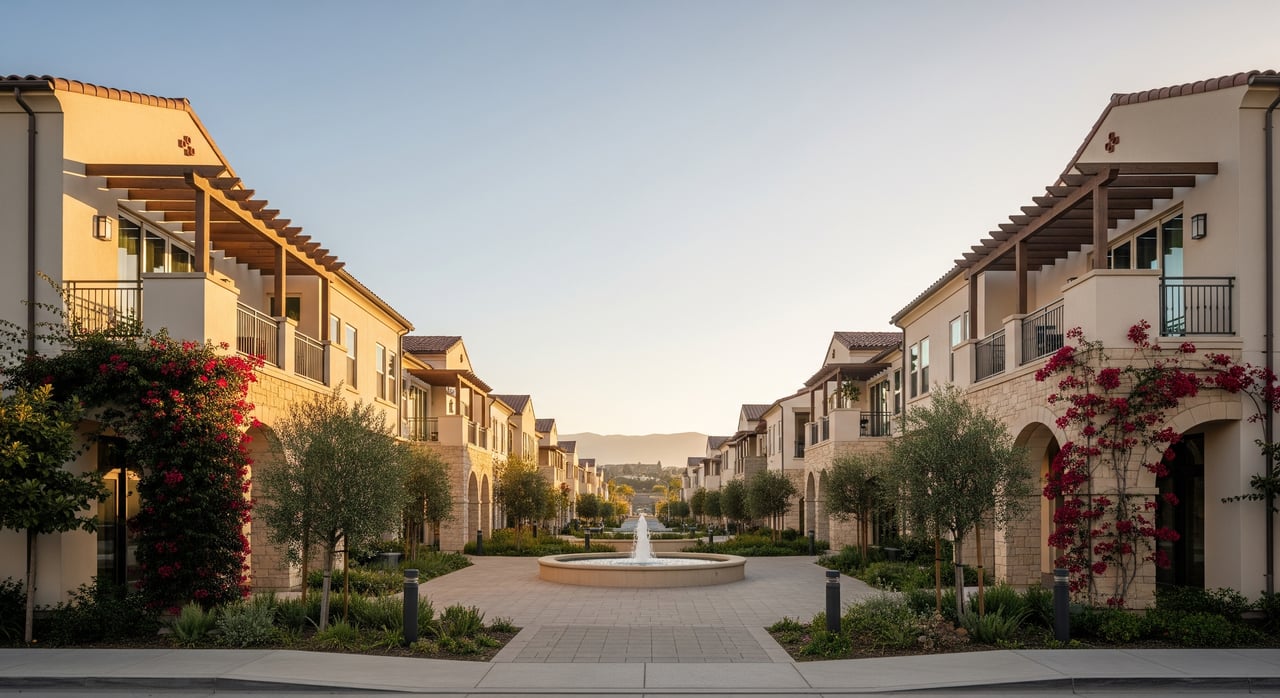
What if two homes a mile apart in Irvine attract totally different buyers and offers? If you have watched one home sell in days while another sits, you are not imagining things. Irvine’s villages create distinct micro-markets, each with its own drivers. In this guide, you will learn why villages sell differently, what influences speed and price, and how to use that insight to buy or sell with confidence. Let’s dive in.
Irvine’s village model
Irvine did not grow by accident. It was planned around self-contained villages with their own parks, schools, retail, and amenities. That planning still shapes how homes sell today. You can explore city context on the City of Irvine site and see curated community overviews on the Irvine Company communities page.
Each village’s housing mix, age, HOA structure, location, and lifestyle features create a mini-market inside the city. The result is real price and demand differences from one village to the next.
What drives demand by village
Housing mix and product
Villages with more single-family homes often draw long-term owners who value space and privacy. Villages with more condos and townhomes can attract first-time buyers, downsizers, and investors. For example, large-lot enclaves like Turtle Rock and Northwood feel different from condo-heavy pockets in Westpark.
Age and finish level
Newer communities offer modern layouts and energy-efficient systems that many buyers prefer. Older homes can compete with lot size, views, and mature landscaping. That tradeoff plays out in Portola Springs or Orchard Hills compared with established parts of Turtle Rock or Northwood.
Lot size and outdoor space
Private yards, cul-de-sac locations, and usable outdoor areas often command a premium. Smaller yards or shared spaces can work well for buyers who prioritize low maintenance.
Schools and attendance zones
Even within the same district, elementary boundaries influence demand. Buyers often want clarity on assigned schools and commute patterns. Check current boundaries on the Irvine Unified School District site and review neutral third-party profiles on GreatSchools.
Amenities and HOA structure
Community features such as pools, lakes, trails, and clubhouses add lifestyle value. HOA fees vary by village and can affect affordability. The key is to match the amenities you use with the fees you will pay.
New construction vs resale
Active builders shape pricing and buyer expectations in newer areas. In places with ongoing new phases, brand-new homes can set a ceiling for nearby resales. In mature villages with limited new supply, scarcity can push faster sales.
Location and commute
Proximity to job centers, UC Irvine, and major freeways matters. Professionals who want short commutes often focus near the Spectrum, the University area, or key corridors like I-405 and I-5.
Walkability and retail access
Some buyers want to walk to parks, coffee, or dining. Others prioritize peace and larger yards. Villages differ on this spectrum, so align your lifestyle with the block-by-block feel.
Views, topography, and privacy
Hillside and view lots are limited and can command premiums. Privacy features such as setbacks and cul-de-sacs also matter for many buyers.
Mello-Roos and property taxes
Newer villages may have Community Facilities District assessments. These affect monthly carrying costs and should be reviewed alongside HOA fees. Ask for disclosures early so you can compare apples to apples.
Investor mix and rentals
Areas near UC Irvine and major employers can see strong rental demand. A higher investor presence may influence offer terms, timelines, and pricing strategies.
Long-term price patterns
Newer areas can appreciate quickly during growth periods, while established neighborhoods often show steadier long-term trends. Your plan and timeline should guide your pricing and renovation choices.
Village snapshots
Below are quick, high-level profiles to show how each micro-market can behave. Always verify current data before buying or selling.
Woodbridge
- Mix of single-family, townhomes, and condos around two lakes and extensive parks.
- Appeals to buyers who value amenities and community activities.
- Sales focus: amenity premium, seasonal family move windows, lakefront or lake-view scarcity.
Turtle Rock
- Established homes, larger lots, and hillside topography with trails nearby.
- Appeals to buyers seeking space, privacy, and proximity to open space.
- Sales focus: lot size and views drive pricing; limited large-lot inventory.
Northwood
- Primarily single-family homes on moderate to large lots, tree-lined streets.
- Appeals to long-term owners who value neighborhood feel and yard space.
- Sales focus: lot size, floor plan functionality, and steady demand.
Westpark (and nearby pockets)
- Mix of condos, townhomes, and single-family homes with community centers.
- Appeals to a wide range of buyers, including first-time and move-up.
- Sales focus: competitive pricing for condos and townhomes, diverse buyer pool.
Quail Hill
- Newer homes near the Quail Hill Nature Preserve with trail access.
- Appeals to buyers who want a “nature plus modern” lifestyle.
- Sales focus: newer construction finishes and outdoor access.
Oak Creek
- Higher-end single-family homes with golf-course adjacency in parts.
- Appeals to buyers seeking privacy and a luxury feel.
- Sales focus: luxury premiums and feature-specific demand.
Portola Springs
- Newer master-planned homes with parks and modern amenities.
- Appeals to growing households seeking newer layouts.
- Sales focus: builder activity influences resale pricing and staging standards.
Orchard Hills
- Newer, upscale village with larger homes and private amenities.
- Appeals to buyers who want newer construction and size.
- Sales focus: premiums for newer builds, consider Mello-Roos in budget planning.
Great Park Neighborhoods
Evolving mixed-use area around Orange County Great Park amenities.
Appeals to professionals and families who want new retail and recreation.
Sales focus: changing comps as new phases open, future infrastructure impact.
University Area
- Mix of homes and rentals close to UC Irvine and transit.
- Appeals to university staff, researchers, and investors.
- Sales focus: strong rental demand and seasonal effects near the academic calendar.
Irvine Spectrum / East Irvine
- Townhomes, condos, and single-family enclaves near major employers and shopping.
- Appeals to professionals seeking shorter commutes and convenience.
- Sales focus: entry to mid-tier competition, investor interest.
How to compare villages
Use this checklist to make apples-to-apples judgments:
- Housing mix: percent single-family vs townhome/condo and typical sizes.
- Age and condition: layout, energy features, and likely renovation needs.
- School assignments: confirm boundaries on Irvine Unified School District and view neutral profiles on GreatSchools.
- HOA and amenities: fee range, included services, and lifestyle fit.
- Mello-Roos: presence and estimated annual assessment in newer areas.
- Location: commute times to work hubs and access to major roads.
- Market pace: inventory levels, absorption, and time to contract.
- Rental indicators: if you may rent later, ask for recent rent comps.
- Demographics context: review city-level context on U.S. Census QuickFacts for broader trends.
For macro context, local reports from the Orange County Association of REALTORS and statewide insights from the California Association of REALTORS can help frame timing and expectations.
Tips for sellers by village type
- Match your pricing story to the village. Lead with the specific features buyers pay for in your area, such as lake access, view lots, trail proximity, or commute convenience.
- Prepare for the comp set. In newer areas, buyers compare you to recent builder finishes. In established villages, highlight lot size, privacy, and updates that matter.
- Time your launch. Family-focused villages can see seasonal surges around school calendars. Align prep and marketing for that window.
- Showcase lifestyle. Use media to make amenities real for the buyer. Amenity-rich villages benefit from video and 3D tours that map the walk from front door to park or club.
- Disclose early. Be clear on HOA fees and any special assessments. Clarity builds trust and speeds decisions.
Buyer personas and fit
- Young professional: Focus on areas near major employers and retail, such as the Spectrum or the University area. Short commutes and low-maintenance homes often top the list.
- Growing household: Consider villages with parks, community centers, and a higher share of single-family homes, such as Woodbridge, Portola Springs, or Orchard Hills.
- Privacy seeker: Look at larger-lot or hillside options in Turtle Rock or parts of Northwood. Prioritize lot orientation and setbacks.
- Investor or future landlord: University-proximate and employment-adjacent areas can provide strong rental demand. Validate rents and HOA rules before you buy.
Your next steps
- Clarify must-haves: yard size, commute time, amenities, HOA tolerance, and new vs resale preference.
- Confirm school assignments and boundaries on the Irvine Unified School District site and review neutral school profiles on GreatSchools.
- Review city and village context on the City of Irvine and Irvine Company communities pages.
- Ask for a village-by-village data brief that includes current inventory, absorption, and recent sales.
If you are planning a sale, a tailored village strategy can be the difference between a quick, top-of-market result and a missed opportunity. For hands-on prep, premium media, and targeted outreach that fits your village, connect with Irene and Ricky Zhang Real Estate Group.
FAQs
What does “micro-market” mean in Irvine?
- A micro-market is a village-level market with its own mix of homes, amenities, and buyer demand patterns that influence pricing and time to sell.
How do school boundaries affect home sales?
- Elementary attendance zones can influence demand and pricing. Always confirm current boundaries on the Irvine Unified School District site and review neutral profiles on GreatSchools.
Do HOA fees vary a lot by village?
- Yes, fees and services differ. Compare fee ranges, what is included, and how often you will use the amenities before you buy or price a listing.
Where is new construction most active?
- Newer activity has centered in areas like Portola Springs, Orchard Hills, and the Great Park Neighborhoods. Check the City of Irvine and local news via the Orange County Register for updates.
What is Mello-Roos and why does it matter?
- It is a special assessment common in newer communities. It affects monthly carrying costs, so confirm amounts early and factor them into your budget or pricing strategy.
How do I price a home in a village with few comps?
- Expand your comp set by adjusting for lot size, age, and amenities. Pair that with on-market inventory and absorption. Local context from the Orange County Association of REALTORS can help frame trends.
Is Irvine good for long-term value?
- Irvine’s planned villages, employment base, and amenities support steady demand. For statewide context on cycles and affordability, review insights from the California Association of REALTORS.
