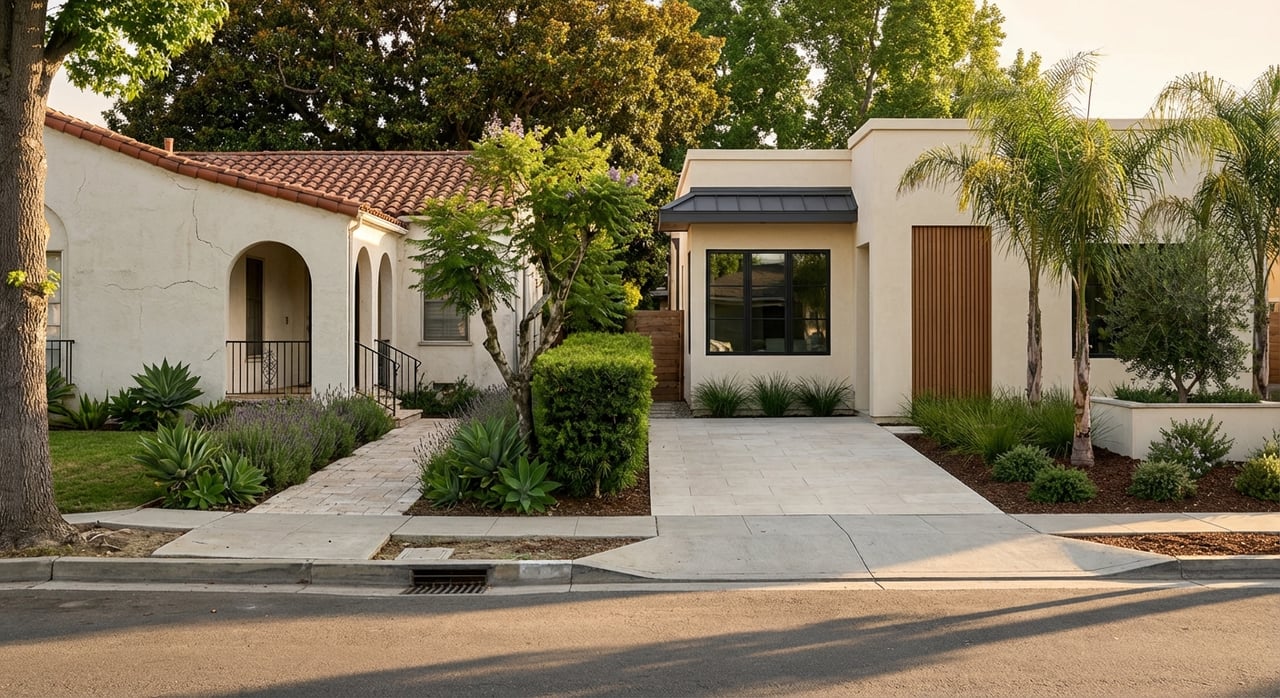
Trying to choose between a tree-lined classic Irvine village and a sleek new neighborhood near the Great Park? You are not alone. Many buyers wrestle with tradeoffs like HOA dues, special taxes, amenities, floor plans, and long-term upkeep. This guide breaks down how Irvine’s newer and established villages differ, what that means for your budget and lifestyle, and how to do smart due diligence so you can buy with confidence. Let’s dive in.
Irvine’s villages at a glance
Irvine was planned as a set of distinct master-planned villages, each with its own look, parks, and amenities. That village model still shapes how neighborhoods feel and function today. You will see differences in architecture, age, and even how infrastructure was funded. City planning materials on Irvine’s village system explain why communities can feel unique just a few blocks apart.
Established villages include areas like University Park, Northwood, Woodbridge, Turtle Rock, and Rancho San Joaquin. Many were built in the 1970s through 1990s and often feature mature trees, stable HOA structures, and built-out parks and retail.
Newer villages and master-planned areas include Portola Springs, Orchard Hills, Eastwood, and the Great Park Neighborhoods. Many of these communities are newer or still expanding, with modern amenity centers and home designs introduced in the 2000s and 2010s.
What you feel first: homes and lots
Established villages: classic styles and mature streets
Older Irvine villages were designed with coordinated architectural themes that give each area a distinct identity. You may notice California modern touches in University Park, coastal-inspired elements in parts of Woodbridge, and bungalow or ranch influences in Northwood. These homes often sit on more established lots with mature landscaping, which can feel quieter and greener.
Floor plans in older homes vary. You can find single-story options, traditional living-dining layouts, and yards with room to garden or entertain. If you value outdoor space, side yards, or the possibility of RV access in select parcels, established areas may offer more choices.
Newer villages: modern layouts and energy features
Homes in Irvine’s newer villages tend to emphasize open-concept living, flexible lofts or offices, and multi-level footprints that maximize usable space. You will also see more attached garages, integrated smart-home features, and efficient kitchens and baths. Many 2020s builds in California include rooftop solar and energy upgrades because of Title 24 rules that raised efficiency standards starting in 2020. If lower utility bills and newer systems are priorities, these features can matter. Review whether solar is owned or leased and what that means for monthly costs. For background on the energy standards that drove these changes, see the California Energy Commission’s 2019 standards documentation.
Amenities and monthly costs
Mature amenities in established villages
Longstanding villages often have fully built amenities. Woodbridge, for example, operates two lakes, beach lagoons, dozens of pools, tennis courts, and regular community events through its master association. If you value an immediate, known amenity experience with a stable activity calendar, this kind of setup can be appealing. Learn more about Woodbridge Village Association’s amenities and operations.
Newer amenities and project timelines
Newer master-planned areas highlight modern parks and clubhouses, often delivered in phases. In the Great Park Neighborhoods, signature parks and facilities opened across multiple years, with additional elements added over time. If you are considering a home in an in-progress neighborhood, ask when specific amenities will open and who maintains them. You can preview community park concepts on the Great Park Neighborhoods parks page.
Understanding Mello-Roos special taxes
Many large new developments finance public infrastructure through Community Facilities Districts, known as Mello-Roos. These special taxes appear on the property tax bill and can significantly affect monthly costs. Mello-Roos is separate from HOA dues. You should always check the specific parcel’s Notice of Special Tax or current county bill. For the legal framework behind CFDs, review the California Government Code sections on Community Facilities Districts.
In Irvine, certain Great Park improvement areas have notable CFD levies. Local reporting has documented higher property tax totals for some Great Park parcels. If you are shopping in these neighborhoods, read the tax bill closely and ask whether the levy escalates each year. For context on how this plays out locally, see the Irvine Watchdog’s overview of Great Park CFD property taxes.
HOA governance and what to review
HOAs are a core part of Irvine’s village model, and California law sets rules for budgets, reserves, and disclosures. The Davis-Stirling Act requires most HOAs to prepare reserve studies, disclose funding status to members, and keep homeowners informed about budgets and assessments. Reviewing these items helps you gauge financial health and potential risk of special assessments. For a clear overview of reserve study requirements and funding disclosures, start with the Davis-Stirling guide to reserve studies and funding.
Key documents to request as soon as you open escrow:
- CC&Rs, Bylaws, and Rules to understand use restrictions, architectural controls, and rental policies.
- The most recent annual budget, year-to-date financials, and bank statements to see cash flow and operating stability.
- The reserve study and the association’s “percent funded” summary to assess near-term assessment risk.
- Board meeting minutes for the past 12 to 24 months and any notices of pending special assessments or litigation.
- Insurance certificates for the association and any master policies.
- Any evidence of HOA loans or bonds that could affect dues in the future.
If you spot low reserve funding, rising vendor costs, or minutes referencing deferred maintenance, flag it and budget accordingly. Ask your lender and insurer how HOA financials might affect underwriting.
Maintenance realities by era
Older homes: systems and landscaping
Mature trees and established landscapes add beauty and shade, but they also bring ongoing costs. Larger trees can require periodic pruning and irrigation, and their roots may affect hardscape or irrigation lines over time. In most cases, private yard upkeep falls to the homeowner even if the HOA maintains common areas. In amenity-rich established villages, you can see how associations manage long-term assets by reviewing resources like the Woodbridge Village Association’s operations page.
For building systems, expect normal life-cycle considerations. Roofs, HVAC units, water heaters, and electrical panels have replacement timelines that may drive near-term budgets on resale. Insurers often consider roof age and overall system condition when pricing policies, so inspections matter. For an overview of how carriers weigh home features, see this consumer primer on factors that affect home insurance rates.
Newer homes: warranty and community build-out
New construction typically comes with a layered warranty, often described as a 1-2-10 structure. Many reputable builders use third-party insurers to back the long-term structural coverage, while shorter-term workmanship and systems coverage can be builder-backed. Always get the warranty provider, coverage terms, and claim process in writing. For a plain-language overview of what structural warranties usually cover, review 2-10’s guide to builder warranties.
In new neighborhoods, parks and landscape plantings also need time to establish. If amenities are being delivered in phases, confirm timelines and maintenance responsibilities so you know what will be available in year one versus year three. The Great Park Neighborhoods parks overview provides examples of phased amenity delivery.
Energy features and ownership questions
Because of California’s energy code updates, many 2020s homes include rooftop solar and higher efficiency envelopes. That can reduce utility costs, but terms matter. Ask whether solar is owned or leased, what the monthly or annual costs are, and how the system transfers at closing. You can read more about the 2019 standards that influenced many new builds in the California Energy Commission’s documentation.
Smart due diligence checklist
Use these steps to compare a specific home in a newer village to one in an established neighborhood:
Request the HOA resale package early. Ask for CC&Rs, Bylaws, Rules, the budget, reserve study, recent financials, insurance certificates, management contract, and the last 12 to 24 months of minutes. California’s Davis-Stirling Act outlines what HOAs should provide and how reserves are disclosed. Start with the reserve study and funding overview.
Pull the actual property tax bill. Look for any Community Facilities District or Mello-Roos line item, the current annual amount, and whether there is a built-in escalator. Convert the annual CFD figure to a monthly number so you can compare apples to apples with HOA dues and utilities.
Inspect for era-specific issues. For established villages, order a full home inspection and add focused looks at the roof, HVAC, water heater, electrical panel, plumbing, and, where applicable, a sewer lateral camera inspection. If systems are over 10 to 15 years old, plan a replacement budget.
Verify warranty coverage on new homes. Obtain the builder warranty, confirm whether a third-party insurer backs the structural portion, and calendar key claim deadlines. Consider pre-drywall and final third-party inspections if you are buying new construction, plus an 11-month warranty walkthrough. See 2-10’s guide to builder warranties for typical timelines.
Confirm HOA dues and what they cover. Separate operating costs like landscaping and pool care from capital reserves for roofs, roads, or clubhouse elements. Ask how often dues have increased and the board’s target for percent-funded reserves.
Check amenity completion. Are the clubhouse, pools, and parks already open, or are they scheduled over several years? Review a build-out timeline and clarify whether amenities are HOA-managed or operated by the city. The Great Park parks page shows examples of staged openings.
Verify school boundaries for the address. Assignments can change as new campuses open, so always confirm with the district. For a sense of how newer tracts integrated schools, view the Great Park Neighborhoods schools page, then verify the exact assignment for the property you are considering.
How to choose: quick scenarios
You want a big yard and single-story living. Start with established villages where classic floor plans and larger lots are more common. Review system ages, tree maintenance, and insurance considerations.
You want modern layouts and lower routine upkeep. Focus on newer villages with open-concept designs and energy features. Verify Mello-Roos amounts, HOA dues, and amenity timelines.
You want immediate access to a rich amenity set. Established areas like Woodbridge deliver a full, predictable experience on day one. Check dues, reserve funding, and any planned capital projects.
You want the newest parks and clubhouses. Newer master-plans around the Great Park offer fresh designs and evolving programming. Confirm what is open now, what is next, and the special tax impact by parcel.
Ready to compare neighborhoods side by side, plan inspections, and pressure-test monthly costs? Talk with the Irene and Ricky Zhang Real Estate Group. Our team will help you weigh lifestyle, budget, and timing so you can choose the Irvine village that fits you best.
FAQs
What is a “village” in Irvine and why does it matter?
- Irvine was master-planned as distinct villages with unique designs and amenities, which shape home styles, HOA structures, and daily life; see Irvine’s village planning overview.
How do Mello-Roos taxes affect my monthly payment?
- Mello-Roos is a special tax that appears on your property tax bill and is separate from HOA dues, so always check the parcel’s Notice of Special Tax and current bill; local reporting on Great Park CFDs is summarized by Irvine Watchdog.
Are amenities fully built in newer Irvine neighborhoods?
- Often not at first; many parks and clubhouses open in phases, so ask for the amenity completion schedule and who maintains each facility; preview examples on the Great Park parks page.
What HOA documents should I review before buying?
- Request CC&Rs, Bylaws, Rules, budget, financials, reserve study with percent funded, minutes, and insurance certificates; the Davis-Stirling reserve study guidance explains why these disclosures matter.
Will a newer home save me money on utilities?
- Many newer California homes include rooftop solar and energy upgrades tied to Title 24 standards, which can lower bills; verify whether solar is owned or leased and review details in the California Energy Commission documentation.
