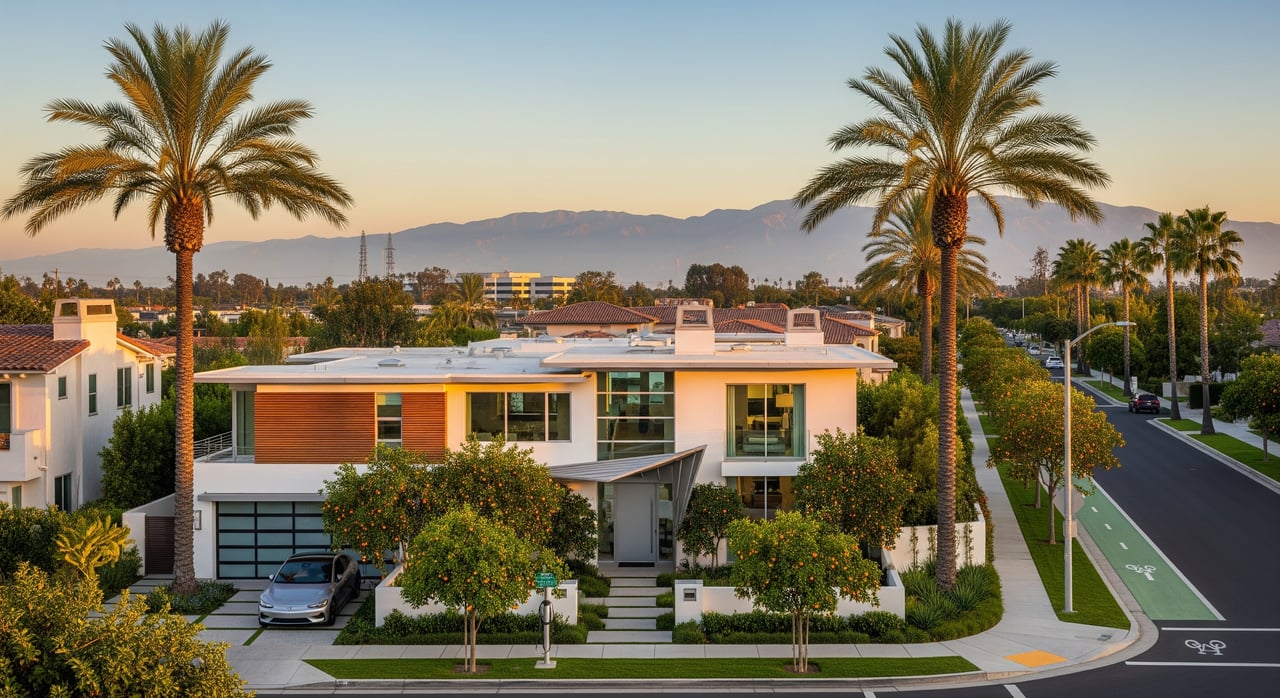
Thinking about moving to Irvine but not sure where to start? You are not alone. Between the city’s master-planned villages, commute options, and day-to-day lifestyle choices, there is a lot to weigh. This guide walks you through neighborhoods, transportation, amenities, and practical costs so you can decide with confidence. Let’s dive in.
Irvine at a glance
Irvine is a master-planned city built around distinct “villages,” each designed with homes, parks, schools, and shopping planned together. You will hear names like Northwood, Turtle Rock, University, Woodbridge, Woodbury, Portola Springs, Westpark, Orchard Hills, Great Park, and the Irvine Spectrum area. The result is an organized layout that makes it easy to get around and find what you need. The City of Irvine offers a wide range of services, programs, and parks that support daily life.
Neighborhoods and housing types
You will find a range of housing across Irvine’s villages. Choices include single-family homes, townhomes, condos, and apartments, with a larger mix of rentals near the Spectrum, the University area, and central corridors. Newer communities like Portola Springs and Orchard Hills feature modern plans and gated enclaves, while established areas like Woodbridge and Turtle Rock offer mature landscaping and larger greenbelts. Pricing varies by village and amenities, with lake access, proximity to UCI, or retail hubs often commanding premiums.
Quick village snapshots
- Northwood and Northwood Pointe: Tree-lined streets, community parks, and established homes with access to village shopping.
- Woodbridge: Known for its two lakes, paths, and community centers with a mix of single-family homes and townhomes.
- Turtle Rock and Turtle Ridge: Hillside settings, trail access, and a range of single-family homes near open space.
- University/University Town Center: Close to UCI with condos, townhomes, and apartments in a convenient location.
- Westpark: Centrally located with neighborhood pools and a mix of housing types close to retail.
- Woodbury and Portola Springs: Newer homes and amenities with access to parks and community pools.
- Orchard Hills: Gated options, hillside views, and newer construction east of the 5.
- Great Park neighborhoods: Modern designs, community sports facilities, and access to the Orange County Great Park.
How to choose your village
Think about your daily routes and routines. If you work north or south on the 405 or 5, location near the right on-ramp can save time during peak hours. Proximity to UCI, office parks, and retail can shape your lifestyle. Also review HOA rules and fees, lot sizes, and whether you prefer newer construction or an established neighborhood feel.
Commutes and transportation
Freeways and driving
Irvine sits at the junction of the I-5 and I-405, with CA-55 on the eastern side and CA-133 connecting to Laguna Beach. The SR-73 toll road links Irvine to Newport Beach and south Orange County. Congestion varies by time of day and direction, so test your route during commute hours to gauge real travel times. Many residents balance freeway driving with local shortcuts, toll options, and flexible schedules.
Trains, buses, and shuttles
Irvine Station connects you to regional job centers by rail. Metrolink trains serve the Orange County Line and Inland Empire–Orange County Line, offering service north toward Los Angeles and inland job hubs. Check Metrolink service at Irvine Station for current schedules. Local and express bus routes run through the city via the Orange County Transportation Authority, which is helpful for work commutes and airport connections.
Airports
John Wayne Airport is typically 10 to 20 minutes from much of Irvine, depending on traffic and your location. Long-haul or international trips may route through LAX or Long Beach, with travel time shaped by traffic and departure times. If you fly often, consider a village with streamlined access to your primary airport.
Biking and trails
Irvine’s planned network of bike lanes and greenbelt trails connects villages, schools, and parks. Many neighborhoods offer direct trail access that supports short trips to shops, sports fields, and community centers. Walkability varies by area, with village centers and the Spectrum zone offering more transit-oriented layouts.
Lifestyle and daily living
Parks and open space
Irvine invests heavily in parks and recreation. The Orange County Great Park anchors community life with sports fields, open space, and signature attractions. You will also find neighborhood parks, play areas, and community centers woven into each village for easy access to outdoor activities.
Shopping and dining
Irvine Spectrum Center is a major hub for shopping, dining, and entertainment. Throughout the city, smaller village centers place essentials close to home. Popular corridors include Alton Parkway, Irvine Center Drive, and the University Town Center area near UCI.
Education and culture
UC Irvine is a top research university that adds arts, lectures, NCAA sports, and events to the city’s calendar. Explore campus life and programs at UC Irvine. Public libraries and community arts programming round out a vibrant cultural scene.
Schools and learning options
Irvine is primarily served by the Irvine Unified School District, which is widely regarded for strong academic performance. Always verify school boundaries for any address because attendance zones can change. Review current maps and resources through Irvine Unified School District attendance maps. Private schools, preschools, and UCI-connected enrichment programs provide additional choices.
Safety and community services
Irvine is often noted for low violent-crime rates compared with similarly sized cities. For recent reports and neighborhood updates, review the Irvine Police Department. For broader comparisons and data definitions, the FBI Crime Data Explorer provides national context. As with any city, focus on trends over time rather than one-year snapshots and consider both property and violent crime metrics.
Cost of living and homeowner costs
Housing costs drive much of Irvine’s higher cost of living. When budgeting for homeownership, account for property taxes, HOA dues where applicable, and any Mello-Roos or Community Facilities District assessments common in newer developments. Explore local taxation and records through the Orange County Assessor and check current sales tax guidance with the California Department of Tax and Fee Administration. For renters, expect competition near UCI and major employers and confirm deposit and parking terms in advance.
Climate and natural hazards
Irvine has a Mediterranean climate with mild, wet winters and warm, dry summers. The marine layer can bring cooler mornings near the coast, while inland afternoons run warmer. As with all Southern California cities, consider natural hazard risks when evaluating homes. Review flood zones using the FEMA Flood Map Service Center and assess wildfire exposure with Cal Fire hazard maps. Earthquake preparedness and separate earthquake insurance are worth discussing with your insurance provider.
Smart steps for your move
- Drive your likely commute routes during rush hour to compare travel times.
- Confirm school boundaries for any target address using IUSD maps.
- Review HOA rules, fees, and community amenities before making an offer.
- Ask your lender about Mello-Roos and how taxes impact monthly payments.
- Check hazard disclosures and maps for flood, fire, and seismic considerations.
- Map out essential services, grocery stores, health care, and parks near each village.
- If you fly often, factor proximity to John Wayne Airport into your choice.
- Use the City of Irvine site for utilities, community programs, and newcomer resources.
Who Irvine fits
- Households seeking planned neighborhoods, parks, and access to high-performing public schools may find Irvine appealing, with the tradeoff of higher housing costs.
- Professionals who value rail or freeway access to OC and LA job centers can leverage Irvine Station, OCTA routes, and multiple highways.
- Downsizers or investors often prefer low-maintenance townhomes or condos near retail and health services.
Work with local experts
Relocating is easier when you have a team that knows each village, HOA, and micro-market nuance. If you want help weighing neighborhoods, commute tradeoffs, and total cost of ownership, our team is here to guide you. We also assist with staging, rentals, and international buyer channels if your move involves selling or investing. Start your plan with the Irene and Ricky Zhang Real Estate Group.
FAQs
What should I know about Irvine’s villages if I am new to the city?
- Irvine’s villages are planned areas with homes, parks, and schools grouped together, so compare features like commute access, HOA amenities, and nearby retail to find the right fit.
How can I commute from Irvine to Los Angeles or other OC job centers?
- Commute times vary by route and time of day, so test your drive and consider rail from Irvine Station via Metrolink or bus options from OCTA as alternatives.
Are public schools in Irvine considered strong?
- Many families choose Irvine for schools, and IUSD is widely regarded for performance; always verify IUSD attendance boundaries and research programs that match your needs.
What natural hazards should I check before buying a home in Irvine?
- Review flood zones on the FEMA Flood Map Service Center and wildfire exposure through Cal Fire hazard maps, and discuss earthquake readiness and insurance with your provider.
Which recurring costs should I budget for when buying in Irvine?
- Plan for property taxes, HOA dues if applicable, any Mello-Roos assessments, insurance, utilities, and maintenance; check the Orange County Assessor and CDTFA for tax details.
