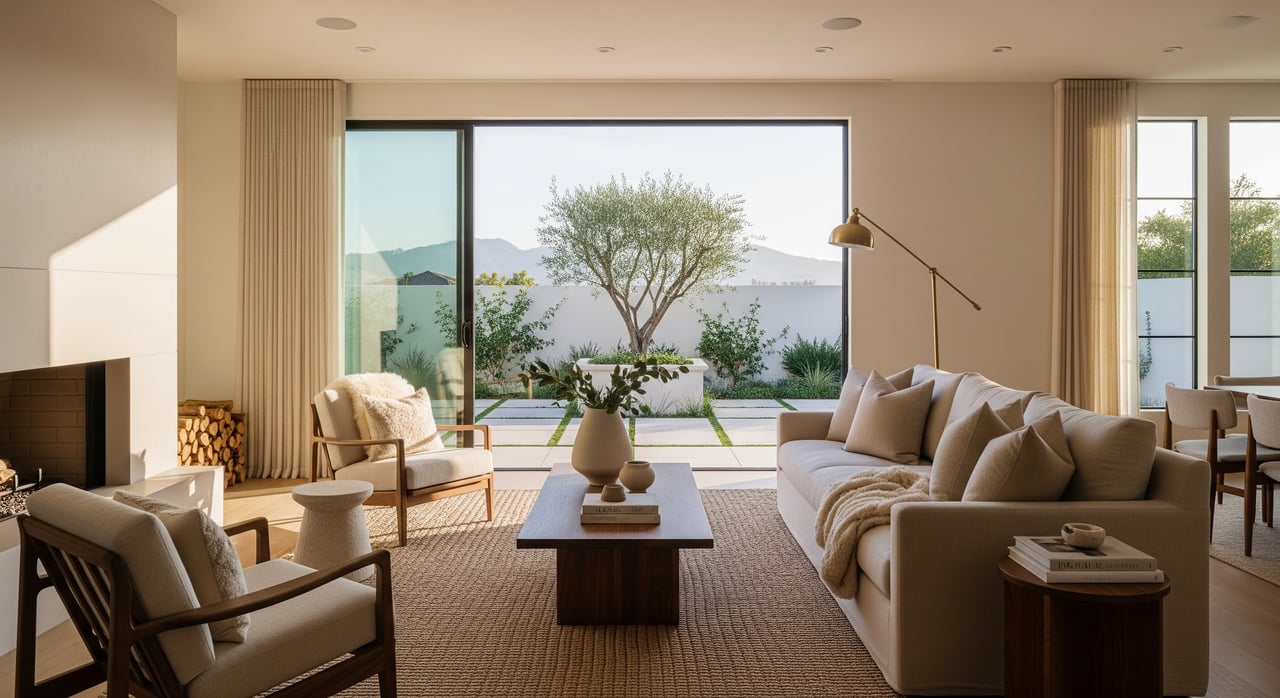
Thinking about listing your Irvine home and wondering how to make it stand out fast? You are not alone. In a market where buyers prize light, space, and a seamless indoor–outdoor lifestyle, smart staging can be the difference between a good result and a great one. In this guide, you will get a practical, room-by-room playbook tailored to Irvine homes so you can showcase what buyers value and launch with confidence. Let’s dive in.
Why staging matters in Irvine
Irvine buyers often look for usable spaces, natural light, indoor–outdoor flow, and low‑maintenance landscaping. Many homes sit within HOA communities, and the buyer pool includes families, professionals, and university‑related buyers. Effective staging helps each group quickly picture life in your home.
Your goals are simple:
- Maximize space and light so rooms feel open and functional.
- Emphasize the Southern California lifestyle with clean outdoor zones and drought‑aware plantings.
- Show versatility with work areas and flex rooms.
- Align with HOA rules for exterior presentation and any signage.
Ground rules before you start
Set yourself up for success with a few fundamentals that perform well in Irvine.
- Declutter and depersonalize. Give buyers room to imagine their own life in the home.
- Brighten and simplify. Open blinds and curtains, clear visual pathways, and highlight focal points like views or a fireplace.
- Right-size furniture. Use pieces that fit the room so it looks balanced and spacious.
- Keep colors neutral and warm. A soft, neutral palette appeals to more buyers.
- Respect HOA and local rules. Check restrictions on exterior decor, signage, and any temporary structures.
- Think drought-smart outdoors. Choose low‑maintenance, drought‑tolerant plants and keep landscaping tidy.
The room-by-room playbook
Focus first on the rooms that most influence buyer decisions: the kitchen, living area, primary suite, and outdoor spaces.
Entry and curb appeal
- Goals: Create a clean, inviting first impression that suggests low maintenance and outdoor enjoyment.
- Actions: Power‑wash the walkway, remove cars and clutter from the driveway during showings, and add a trimmed, in‑season potted plant. Clean or paint the front door, and make sure house numbers and porch lights are spotless and working. Confirm HOA rules for any exterior decor or signs.
Living or great room
Goals: Show scale, flow, and easy entertaining.
Actions: Arrange seating to highlight your focal point, whether that is a fireplace or a view. Remove extra furniture, layer a neutral rug and a few soft textiles, and keep window treatments open to showcase light. Add a simple coffee‑table vignette like a book, a tray, and a small plant.
Open plans: Use rugs and furniture placement to define zones for seating and dining, so buyers see function at a glance.
Kitchen
- Goals: Spotlight counter space, storage, and everyday function.
- Actions: Clear counters to about 10 to 15 percent coverage. One tasteful item, like a fruit bowl or a vase, is enough. Organize visible cabinets and the pantry. Polish appliances so they shine. If budget allows, refresh hardware and add a neutral coat of paint for high impact. Under‑cabinet LED strips brighten work surfaces for photos and showings.
Dining area
- Goals: Communicate capacity and flow for meals and entertaining.
- Actions: Set the table simply with placemats, neutral dishes, and a low centerpiece. Skip seasonal or personal themes. Make sure chairs fit comfortably without crowding.
Primary suite
- Goals: Create a calm, luxurious retreat and highlight storage.
- Actions: Use neutral bedding with layered textures and scaled furniture that fits the room. Clear closets to about 50 percent to show real storage. Add dimmable bedside lamps and a simple nightstand vignette. In smaller suites, use a mirror strategically to reflect light and expand the feel of the space.
Secondary bedrooms
- Goals: Show versatility for guests, children, or flex needs.
- Actions: Stage one as a child or guest room with age‑neutral decor. Consider staging another as a home office if your layout allows. Keep wall art simple and colors calm so buyers can imagine different uses.
Bathrooms
- Goals: Present clean, bright, spa‑like spaces.
- Actions: Deep clean tile and grout, and re‑caulk where needed. Replace worn towels with plush, neutral ones. Remove personal items from counters and showers. Add a small plant and a candle for a touch of calm. If hardware is dated, a quick update can refresh the look. Make sure shower glass is crystal clear.
Home office or flex space
- Goals: Show a productive, quiet workspace that supports remote or hybrid work.
- Actions: Use a simple desk and ergonomic chair with good task lighting. Keep tech props minimal and tidy. Add a small shelf or plant. If you market to families, consider staging a homework or tutoring nook in a secondary flex area.
Laundry and utility
- Goals: Demonstrate function and storage.
- Actions: Clear surfaces and hide hoses where possible. Use matching detergent containers and a small basket to suggest order. Keep the area bright and spotless.
Garage and storage
- Goals: Help buyers see parking and storage potential.
- Actions: Remove 50 to 75 percent of stored items so the space looks open. Add temporary shelving or clear labeled bins for staging photos. Sweep and brighten with cooler temperature bulbs so it feels clean and safe.
Outdoor living
- Goals: Sell the Southern California lifestyle with easy entertaining and relaxation.
- Actions: Stage a dining set and a lounge area with weatherproof furniture. Keep the pool clean and balanced for photos. Add shade like an umbrella and show a BBQ zone. Use drought‑tolerant pots and prune hedges for a crisp look. Check HOA and local rules for any temporary structures or signage.
Condo-specific tips
- Light and storage: Use lighter furniture, mirrors, and tall shelving to create a sense of volume. Highlight built‑ins or closet systems.
- Balcony staging: Treat the balcony like an extra room with compact chairs and a small table. Keep decor minimal to maintain space.
- Community appeal: Note shared amenities in your marketing and make sure balcony items comply with HOA rules.
Photos, tours, and online presentation
Great staging deserves great media. Order professional real estate photography after staging is complete. Aim for true‑to‑life wide angles, balanced exposure that shows interior detail and outdoor views, and a few twilight shots to boost curb appeal. Capture close‑ups of upgraded finishes buyers care about.
Consider 3D tours and floor plans so out‑of‑area or busy buyers can orient quickly. For homes near parks, trails, or destination centers, aerial shots can help, as long as HOA and local rules allow and any drone use follows applicable regulations. If your home is vacant, virtual staging can be effective, but always disclose virtually staged images on the MLS and any listing platforms.
Align your listing copy with what buyers will see: highlight the staged home office, the organized garage, or the outdoor dining area. Reinforce how each space supports day‑to‑day living in Irvine.
Budget, ROI, and timeline
You can scale staging to your goals and price point.
- DIY refresh: Declutter, deep clean, do minor repairs, add neutral paint, and update simple hardware. This is low cost and fast.
- Partial staging: Focus on high‑impact rooms like the living area, kitchen, primary suite, and patio. This is a moderate investment with strong visual returns.
- Full staging: Ideal for vacant or higher‑end properties. Furniture rental and complete styling maximize impact in photos and showings.
Staging generally increases buyer interest and perceived value. The exact return depends on your segment and current market conditions. Ask for local quotes and compare them to expected exposure and days on market for similar homes. Your listing agent can share neighborhood insights to set the right approach.
Suggested timeline:
- Declutter and repairs: 1 to 2 weeks depending on scope
- Staging delivery and setup: 2 to 5 days
- Photography and media: within 1 to 3 days after staging
- Launch: coordinate around weather for consistent outdoor shots and plan your first open house accordingly
Vendor tips: Choose stagers and photographers with Irvine or Orange County experience and professional affiliations. For landscaping and pools, use contractors familiar with local drought practices and community guidelines. Confirm HOA rules for exterior presentation and any drone work before scheduling.
Listing day checklist
Use this quick run-through before photos, tours, and showings.
- Pre‑staging: deep clean, paint touch‑ups, minor repairs, confirm HOA rules.
- Day of staging: clear pathways, clean windows, place furniture to show natural flow.
- Photography day: leverage natural light, capture both daytime and twilight exteriors.
- Showing prep: turn on all lights, set a comfortable temperature, secure pets and personal valuables, and add a light, neutral scent or fresh flowers.
- Post‑launch: keep staged rooms intact for all showings to maintain consistency.
How we help Irvine sellers
You do not need to coordinate all of this alone. Our team manages pre‑listing preparation, staging coordination, and premium media so your home launches at its best. We pair professional photography, video, and 3D tours with targeted online campaigns and polished listing copy to attract the widest buyer pool. That includes bilingual outreach in English, Mandarin, and Cantonese and strong exposure across local and international channels.
Our process is built for predictable outcomes. We help you pick the right staging scope, navigate HOA requirements, and time your launch for maximum impact. Ready to plan your sale with a tailored staging roadmap? Connect with the Irene and Ricky Zhang Real Estate Group to schedule your free listing consultation.
FAQs
What staging matters most for Irvine buyers?
- Prioritize the kitchen, living area, primary suite, and outdoor spaces. These areas most influence buyer decisions and showcase the indoor–outdoor lifestyle.
Do I need to stage if my home is occupied?
- Yes, even light staging helps. Declutter, edit furniture, and style key rooms. Partial staging can balance daily living with strong presentation.
How should I handle HOA rules during staging?
- Confirm restrictions on exterior decor, signs, balcony items, and any drone photography before you begin. Follow your community’s guidelines to avoid delays.
Is virtual staging allowed in Irvine listings?
- It can be effective for vacant homes. Always disclose virtually staged images on the MLS and listing platforms, and ensure edits do not misrepresent the property.
What low-cost updates deliver big impact?
- Neutral paint, updated hardware, bright lighting, under‑cabinet LEDs, and fresh towels or mirrors in baths typically photograph well and feel new to buyers.
How long should I plan for staging and photos?
- Expect 1 to 2 weeks for decluttering and repairs, 2 to 5 days for staging setup, and 1 to 3 days for photos and media once staging is complete.
